
Learn how affiliate commissions work, including percentage, fixed and recurring payments, cookie periods, refunds and payout thresholds.
Affiliate commissions can look wonderfully simple from the outside.
You recommend something. Someone buys it. You earn some money.
And, at its heart, that really is how affiliate marketing works.
The confusion starts when you discover that one programme pays 5%, another pays 40%, somebody else offers £25 per sale, and another promises recurring commissions every month.
Suddenly, the biggest number starts looking like the obvious winner.
It isn’t always.
Understanding how affiliate commissions actually work will help you judge an opportunity by what it’s genuinely worth rather than being distracted by an impressive-looking percentage.
What Is an Affiliate Commission?
An affiliate commission is the payment you receive when somebody completes a qualifying action through your unique affiliate link.
Usually, that means buying something, although some programmes may pay for other actions such as signing up for a service.
Your affiliate link identifies that visitor as somebody you’ve referred. If the programme’s conditions are met, the commission is credited to your account.
Simple enough.
But the way that commission is calculated can vary considerably.

Percentage Commissions
Percentage commissions give you a share of the customer’s purchase.
Imagine you’re promoting a £100 product with a 10% commission.
A successful referral would earn you £10.
If that same product paid 30%, you’d earn £30.
This is why percentage rates grab so much attention. But percentages only tell part of the story.
A 50% commission on something few people want isn’t necessarily better than 10% on a product people regularly buy.
That’s why learning how to find affiliate products people actually want to buy matters before you start comparing commission rates.
Demand comes first.
Fixed Commissions
Some affiliate programmes pay a fixed amount rather than a percentage.
For example, you might earn £20 every time somebody purchases a particular service through your link, regardless of the amount they spend.
Fixed commissions are easy to understand because you know exactly what a successful referral is worth.
But again, don’t judge an opportunity on the payment alone.
Consider the price of the product, how useful it is to your audience and how difficult the buying decision is likely to be.
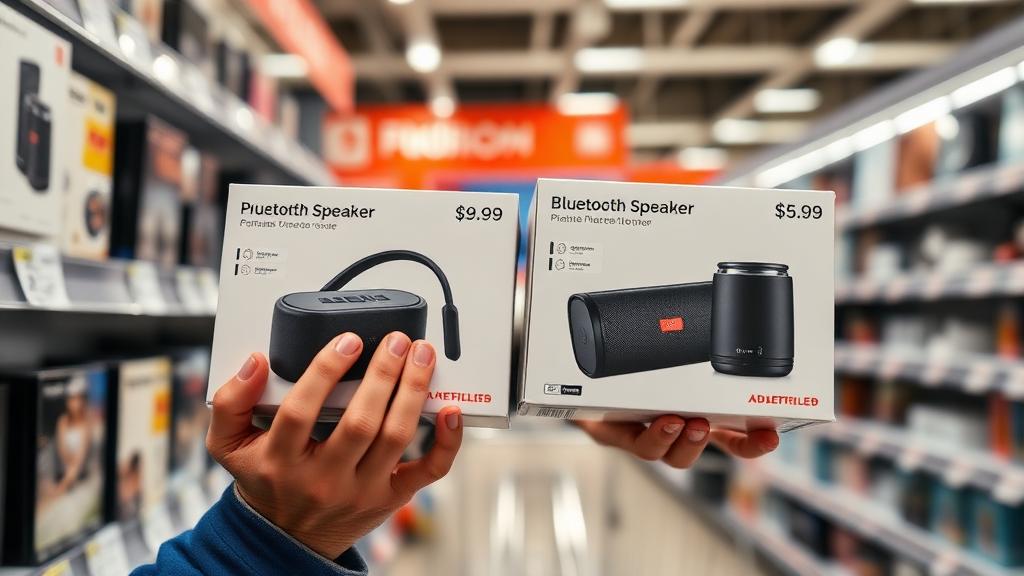
Recurring Commissions Can Build Over Time
Recurring commissions are particularly common with subscriptions, software and membership services.
Instead of earning once when somebody signs up, you may continue receiving commission while that customer remains subscribed.
For example, a service costing £30 per month with a 20% recurring commission could pay you £6 each month the customer stays.
That can become interesting over time.
But recurring commissions aren’t automatically better than one-off payments. Customers cancel subscriptions, programme terms change, and some services simply aren’t suitable for your audience.
Choose the product first.
Then examine how it pays.
Cookie Periods Matter Too
When somebody clicks your affiliate link, a tracking cookie may record that referral for a set period.
Suppose a programme has a 30-day cookie period.
Someone clicks your link today, thinks about the purchase for a week and then returns to buy. Depending on the programme’s tracking rules, you may still receive the commission.
With a very short cookie period, you might not.
This is why two programmes offering identical commission percentages can have very different value.
Always read the programme terms rather than stopping at the headline commission.

⭐ Steve’s Tip
When you’re comparing affiliate programmes, don’t ask:
“Which one pays the highest percentage?”
Ask:
“Which one gives my reader the best solution while giving me a fair reward for recommending it?”
That small change in thinking can stop you chasing attractive numbers and keep your attention where it belongs — on helping your reader.
Refunds, Returns and Cancelled Commissions
Here’s something beginners can easily overlook.
A commission showing in your affiliate account doesn’t necessarily mean the money is yours yet.
If a customer returns a product, requests a refund or cancels during a qualifying period, the commission may be reversed.
That’s perfectly normal.
It also explains why promoting poor-quality products simply because they offer high commissions can backfire twice: unhappy readers lose trust in your recommendations, and refunded purchases may leave you without the commission anyway.
If you’re deciding what deserves your name behind it, how to write affiliate product reviews is built around exactly this trust-first approach.
Don’t Forget Payout Thresholds
Earning a commission and receiving the money aren’t always the same thing.
Some programmes require your account balance to reach a minimum amount before they’ll send payment.
You might need to accumulate £25, £50 or another specified amount first.
Payment schedules can differ too. One programme might pay monthly while another delays payment to allow time for refunds.
None of this necessarily makes a programme bad.
You simply need to understand the rules before joining.
That’s one reason choosing an affiliate programme that’s right for you involves looking beyond the commission percentage.

Questions Readers Ask
What is a good affiliate commission rate?
There’s no single good percentage. Product price, conversion potential, refunds, cookie duration and whether payments recur can all matter as much as the headline rate.
Are recurring affiliate commissions better?
They can be valuable because one referral may generate several payments, but only while the customer remains eligible under the programme’s terms.
When do affiliate marketers get paid?
It depends on the programme. Some pay monthly, while others use different schedules or require you to reach a minimum payout threshold.
Can an affiliate commission be taken back?
Yes. A pending commission may be reversed if the customer returns the product, receives a refund or the transaction doesn’t meet the programme’s conditions.
💬 A Note from Steve
When you first see affiliate programmes advertising large commission percentages, it’s difficult not to get excited by the numbers.
But I’m learning that the percentage isn’t really the opportunity.
The opportunity is finding something useful that the right reader genuinely wants.
If that product also offers a fair commission, great.
I’d much rather build Total Home Biz around recommendations people can trust than chase the biggest number on an affiliate dashboard.
The money matters — we’re building businesses, after all — but I don’t want it making the decisions for me.
📖 Your Next Step
Before joining your next affiliate programme, spend ten minutes reading its commission terms properly.
Look for the commission structure, cookie duration, payout schedule, minimum payment threshold and what happens when customers request refunds.
Then ask the most important question:
Would I still want to recommend this product if its commission were slightly lower?
If the answer is yes, you may have found something worth investigating.
🧭 Keep Learning
If you’re building your affiliate business from scratch, understanding how to start affiliate marketing will give you the foundations.
From there, learn how to choose an affiliate programme that’s right for you, then concentrate on finding affiliate products people actually want to buy rather than simply hunting for the highest commission.
When you’ve found something genuinely worth recommending, writing an honest affiliate product review gives you the opportunity to turn that recommendation into content that helps readers make their own decision.

Steve Whelan shares practical tips, tools, and resources to help make building income online simpler and more approachable. Through this website, Steve provides helpful content and recommendations, including the Plug-In Profit Site, a system designed to help beginners get started online with a website, step-by-step training, and built-in income streams. Learn more about getting started with Plug-In Profit Site here: https://www.pluginprofitsite.com/main-51568/freesetup.html
2 thoughts on “How Affiliate Commissions Work: A Beginner’s Guide”